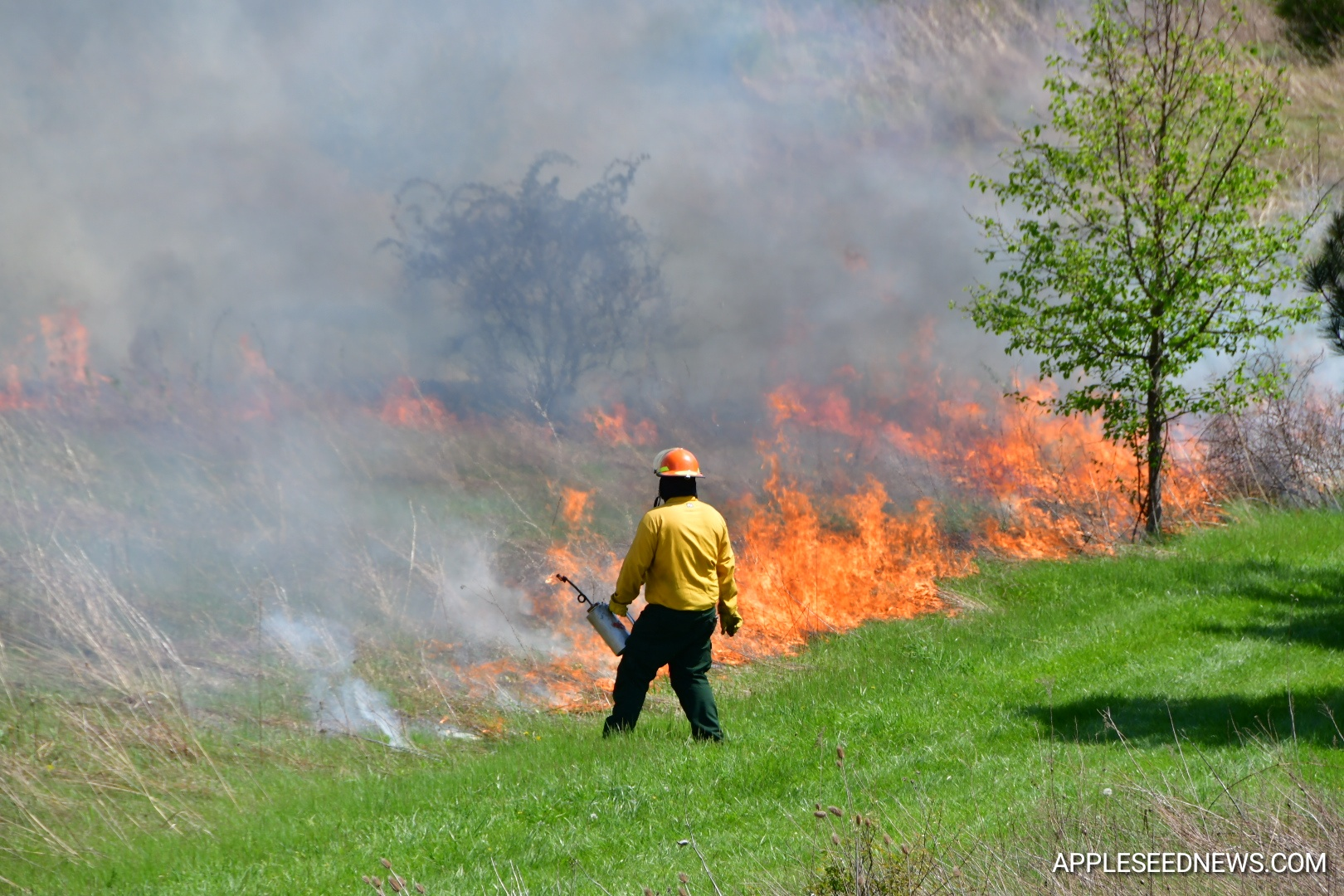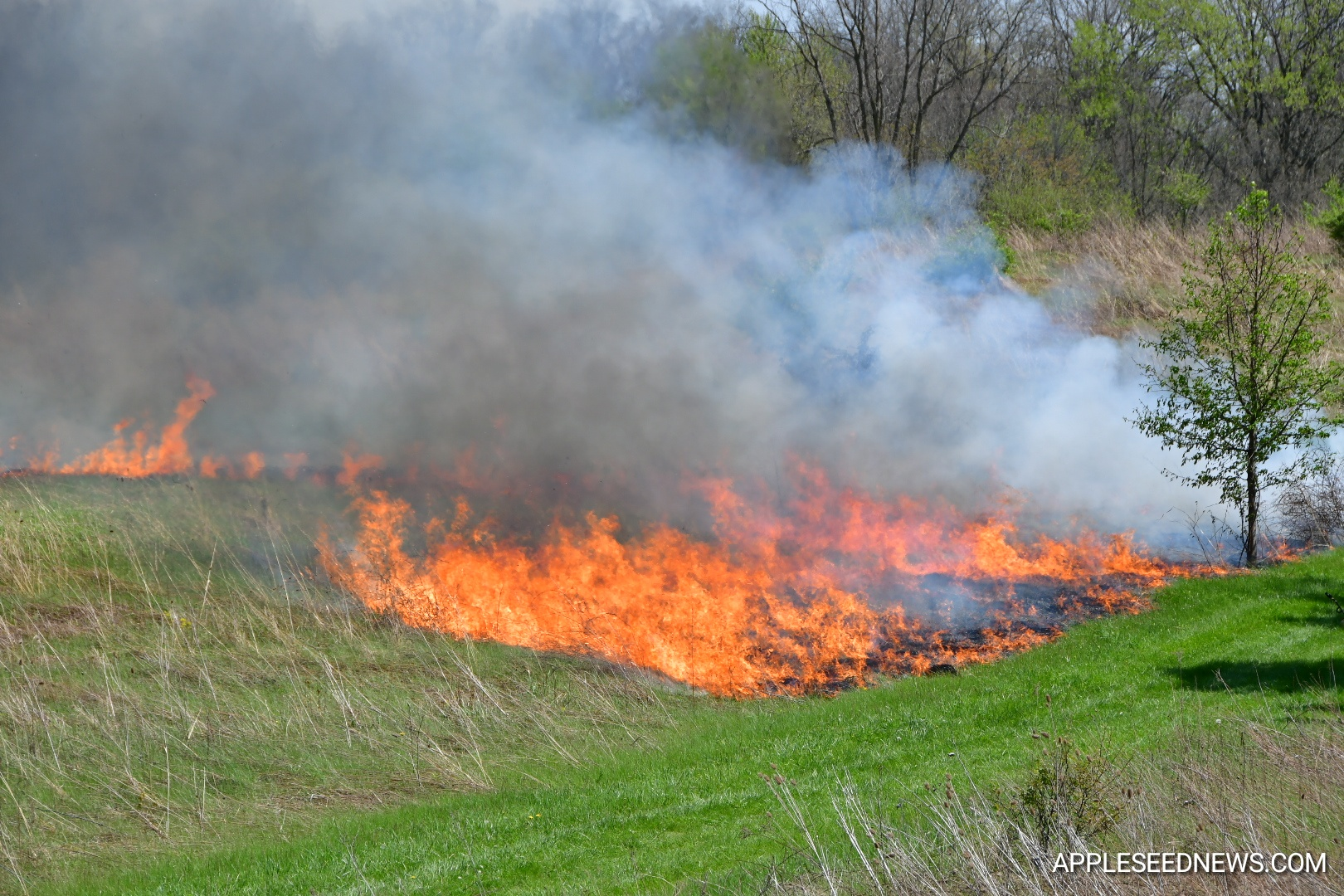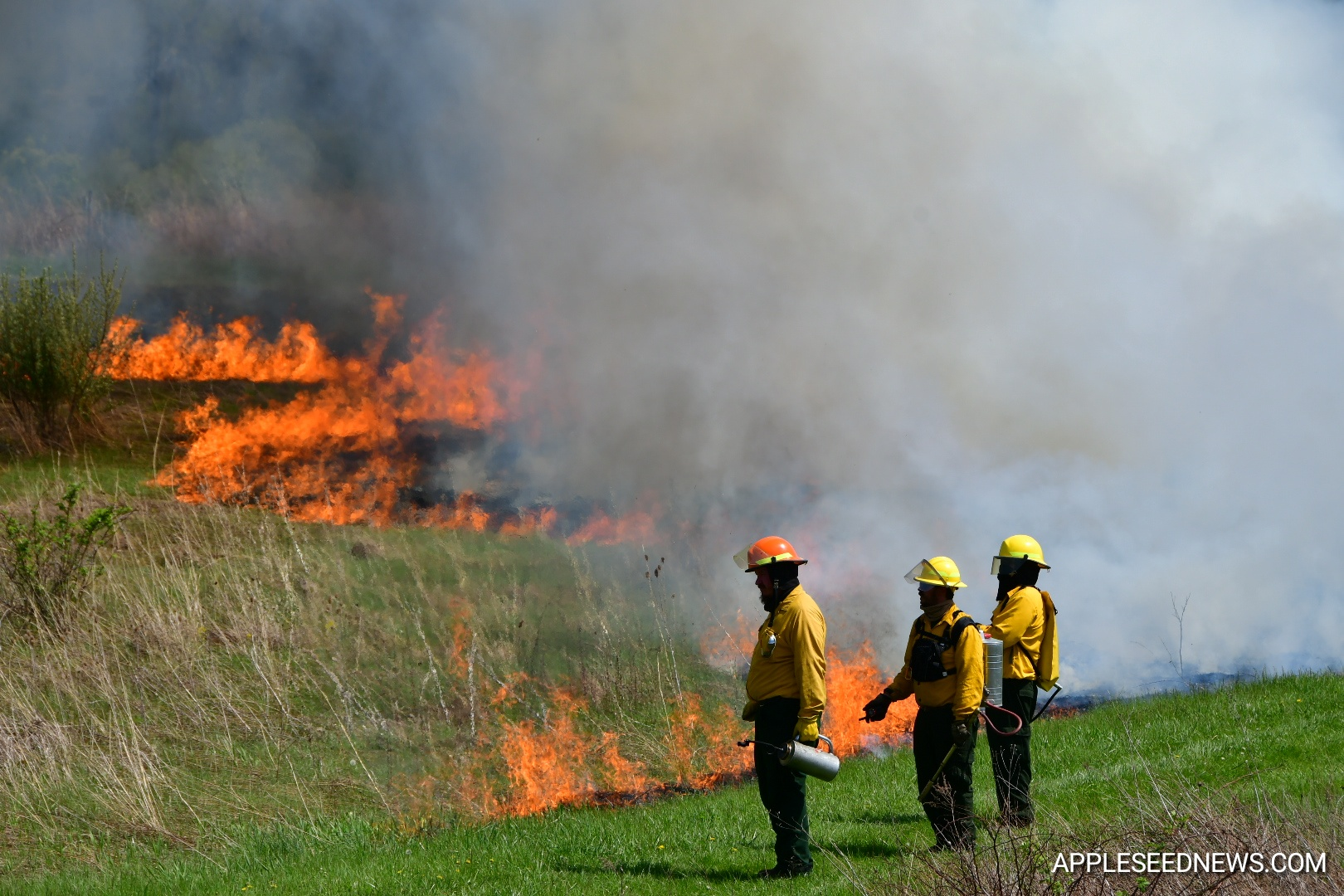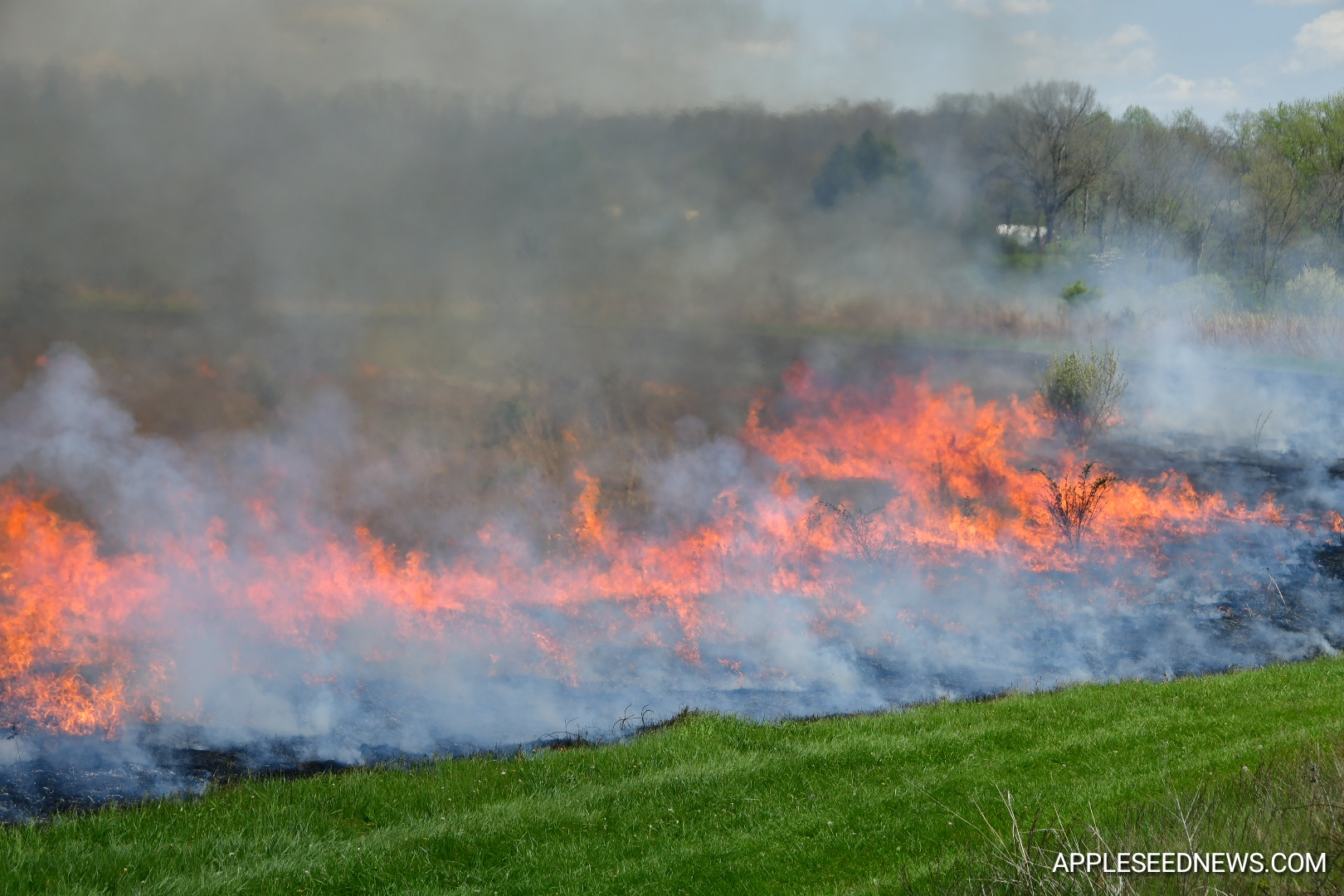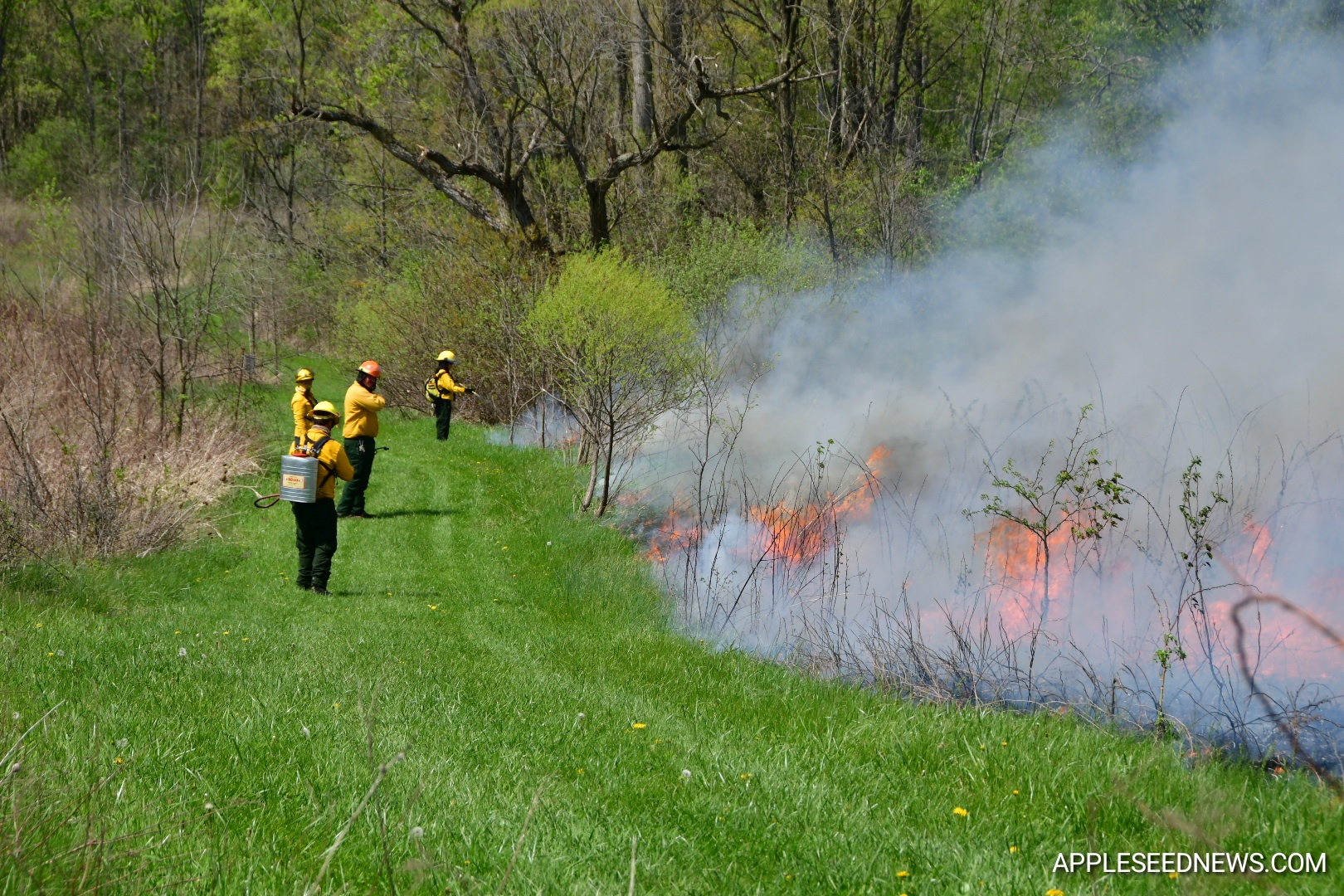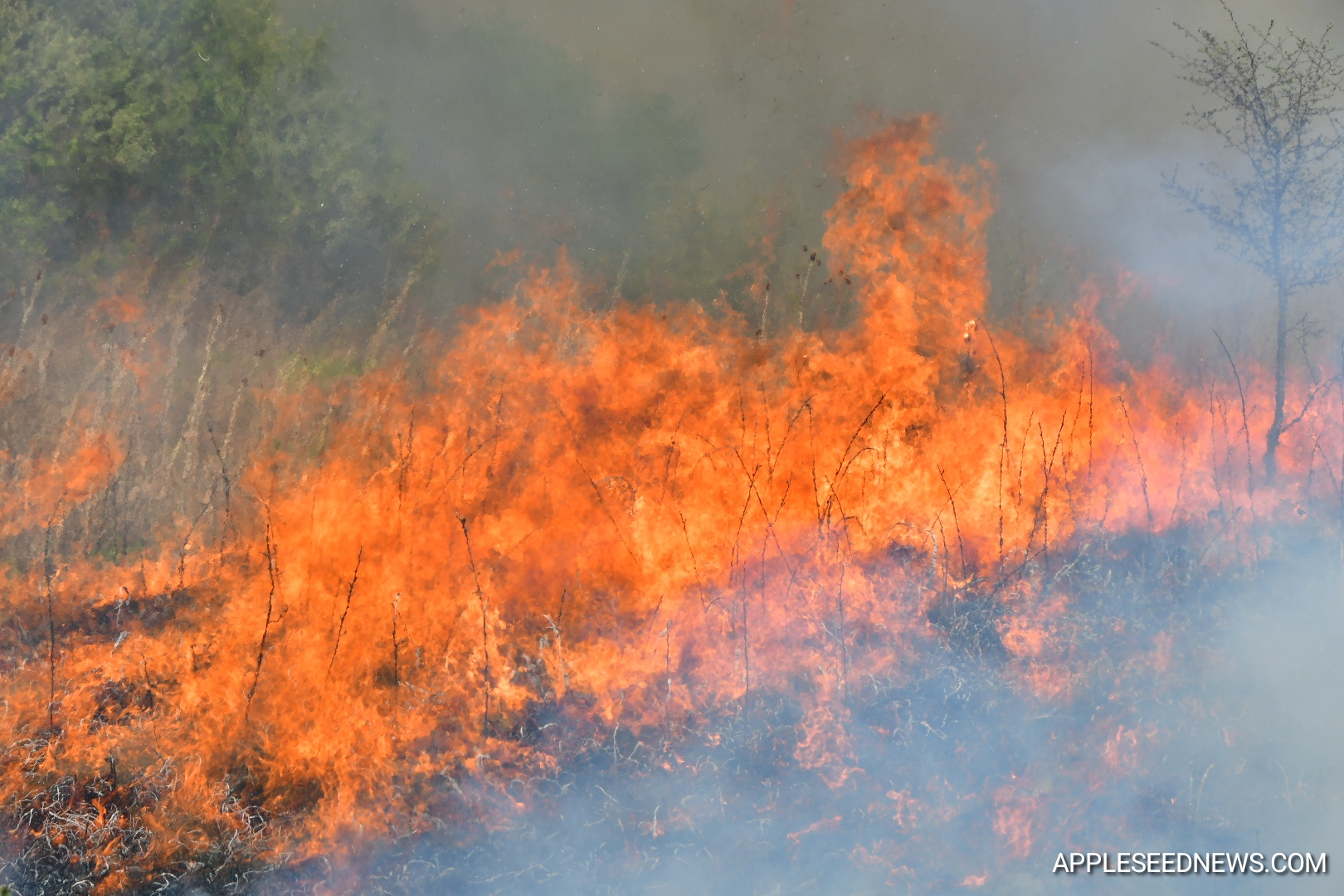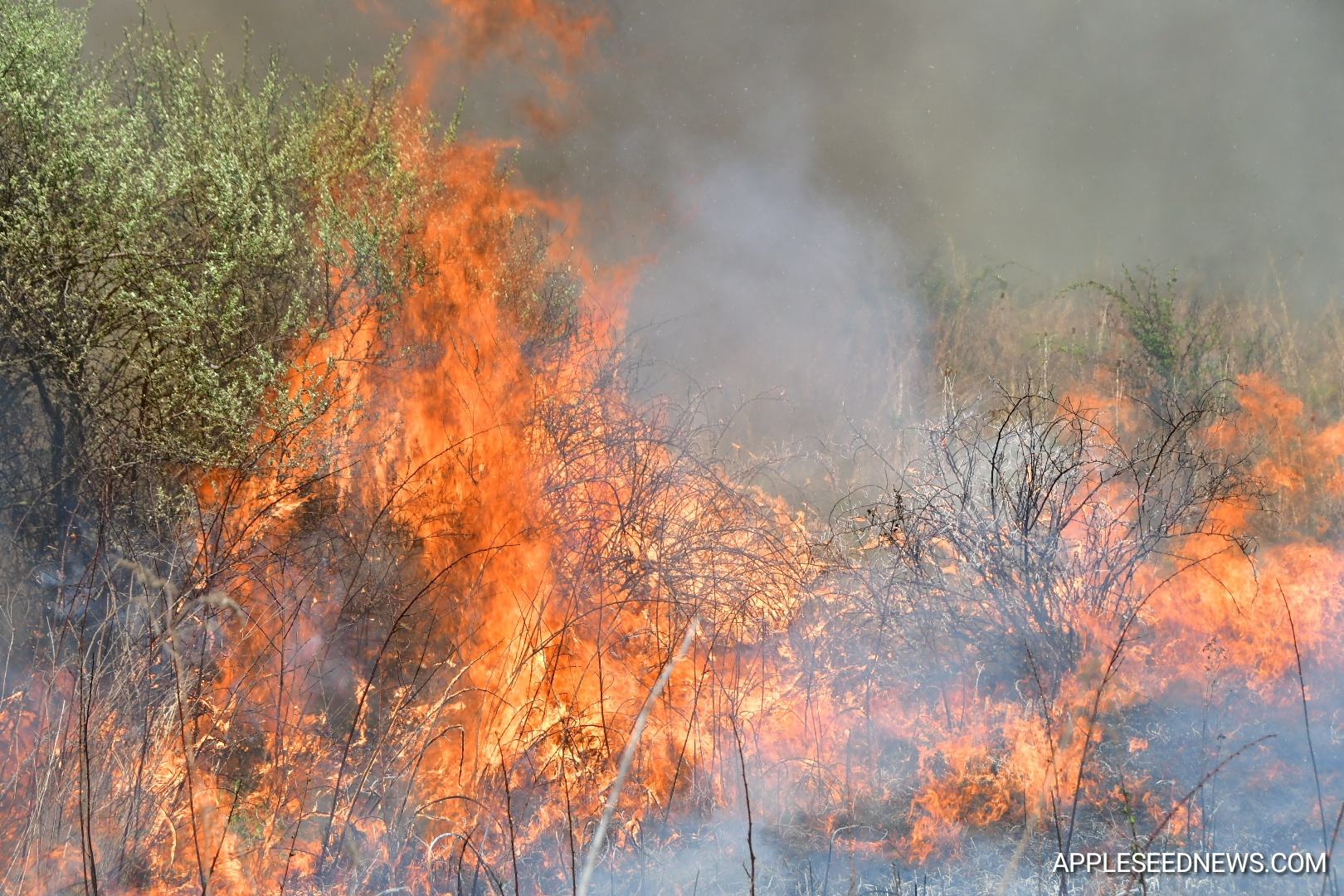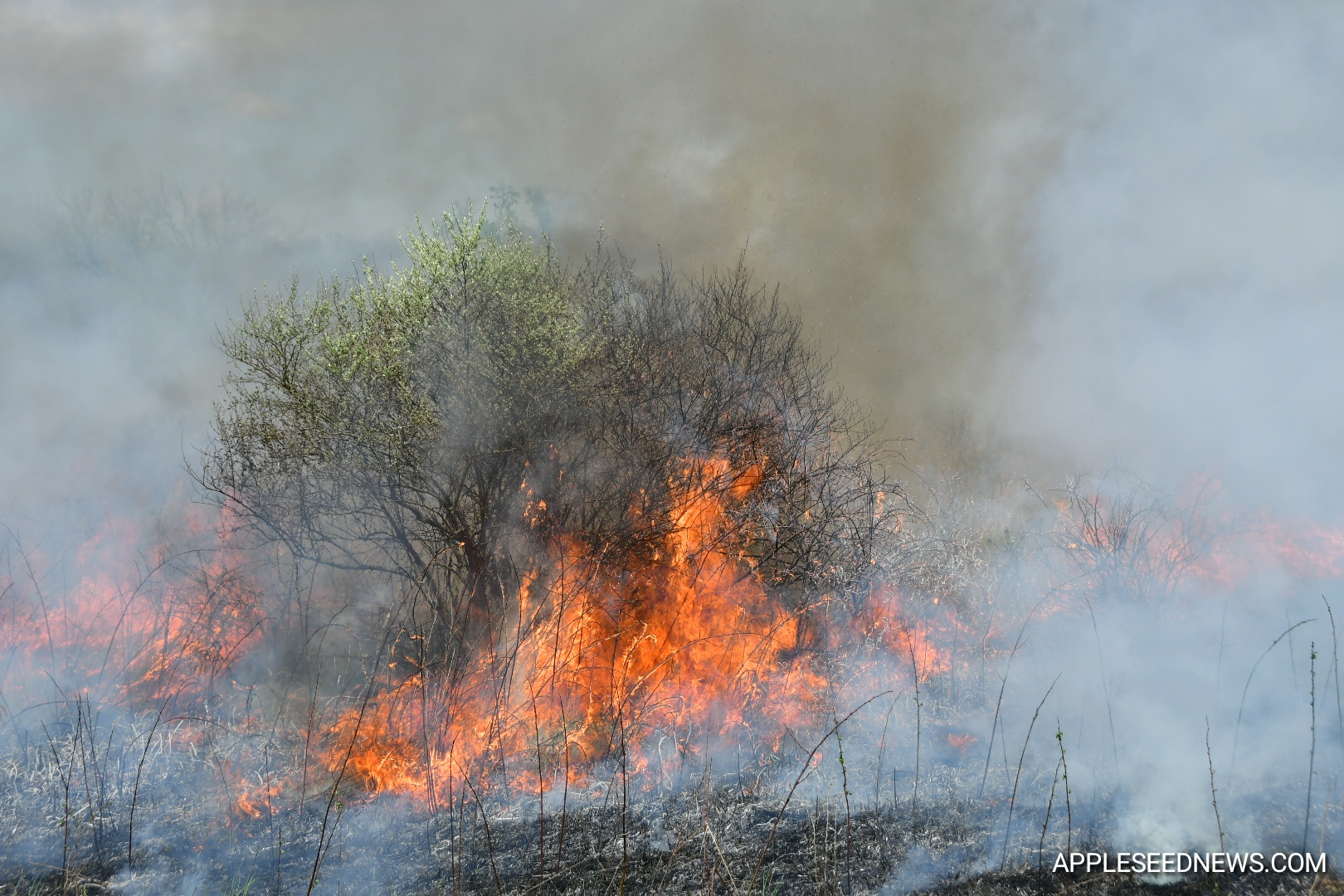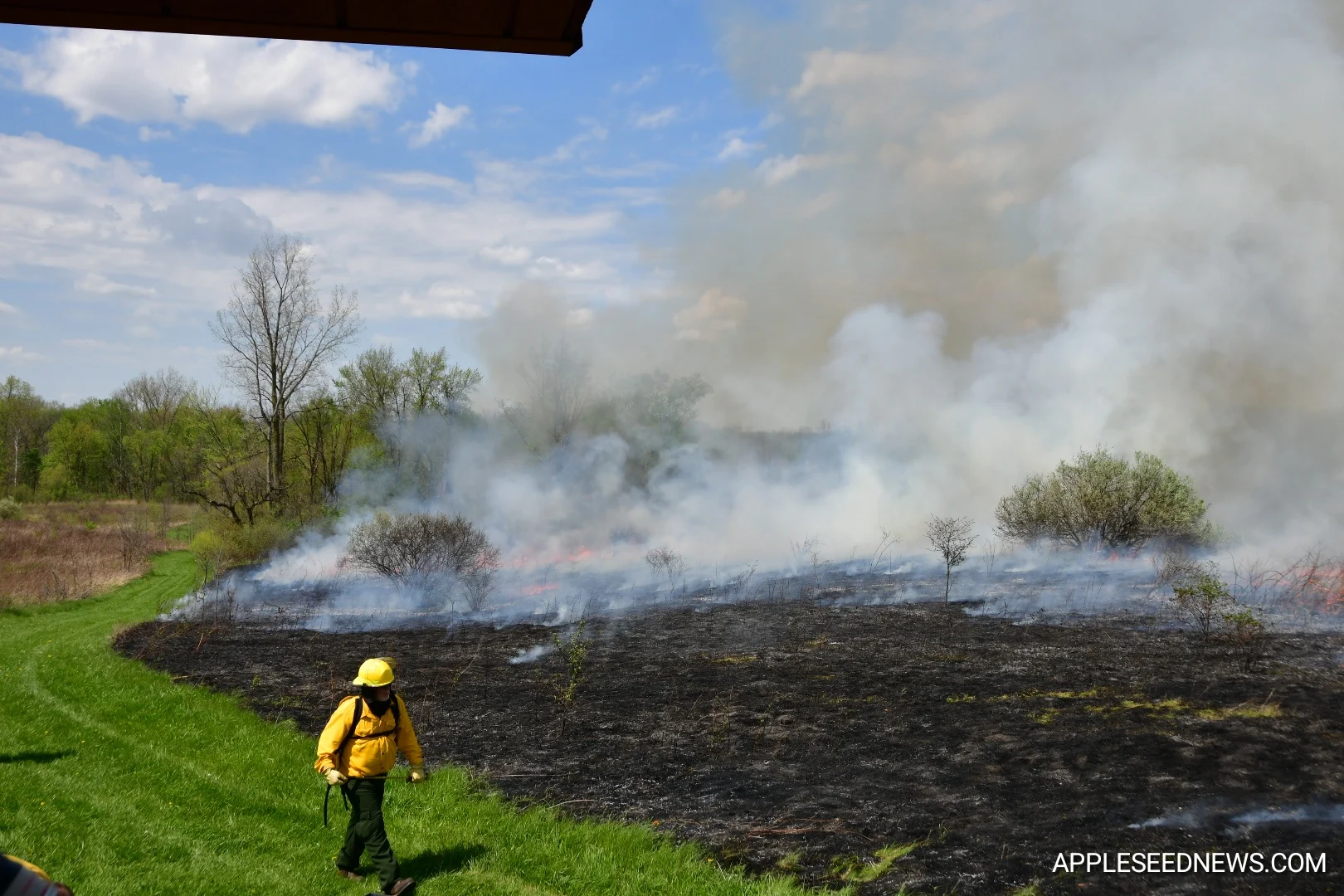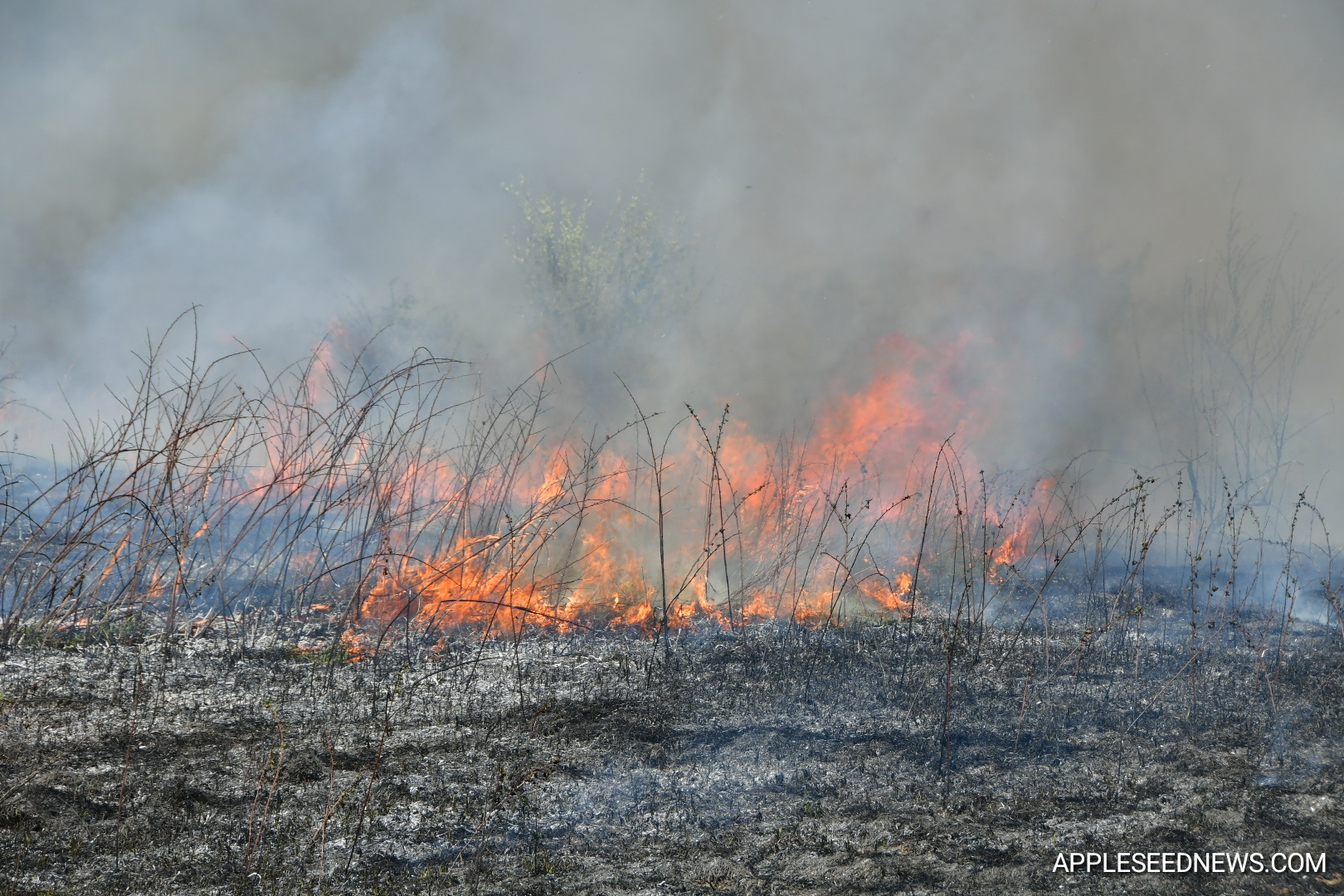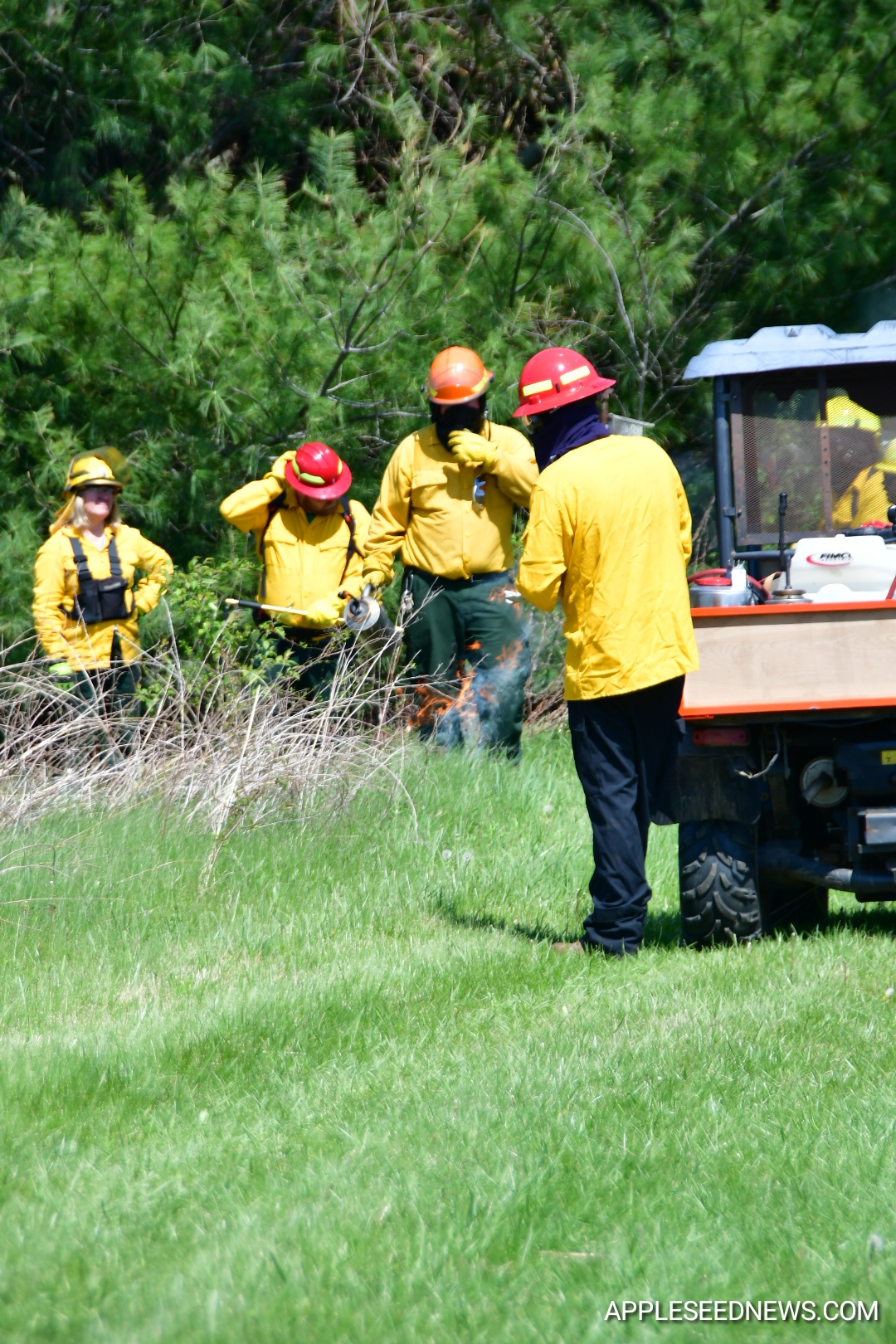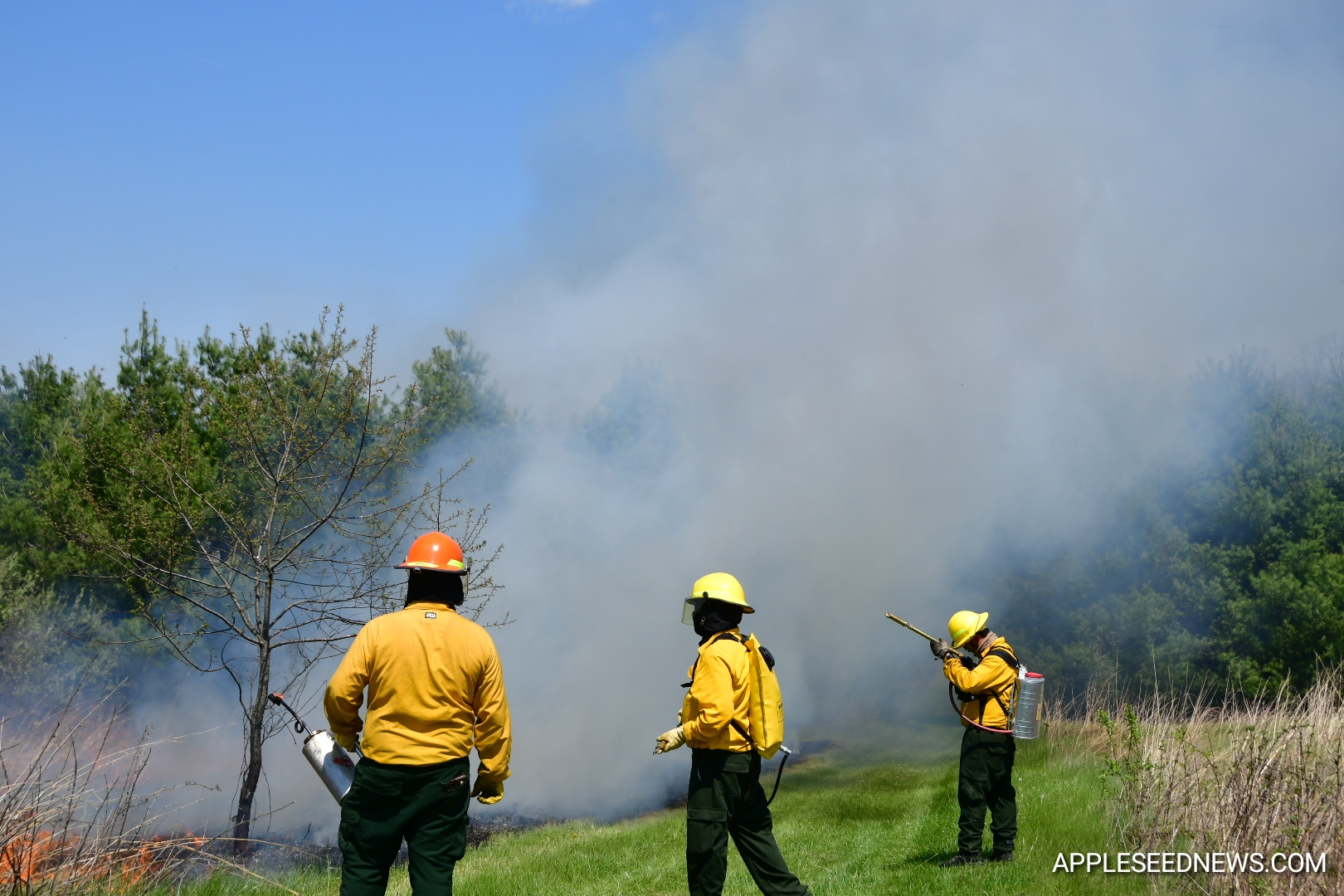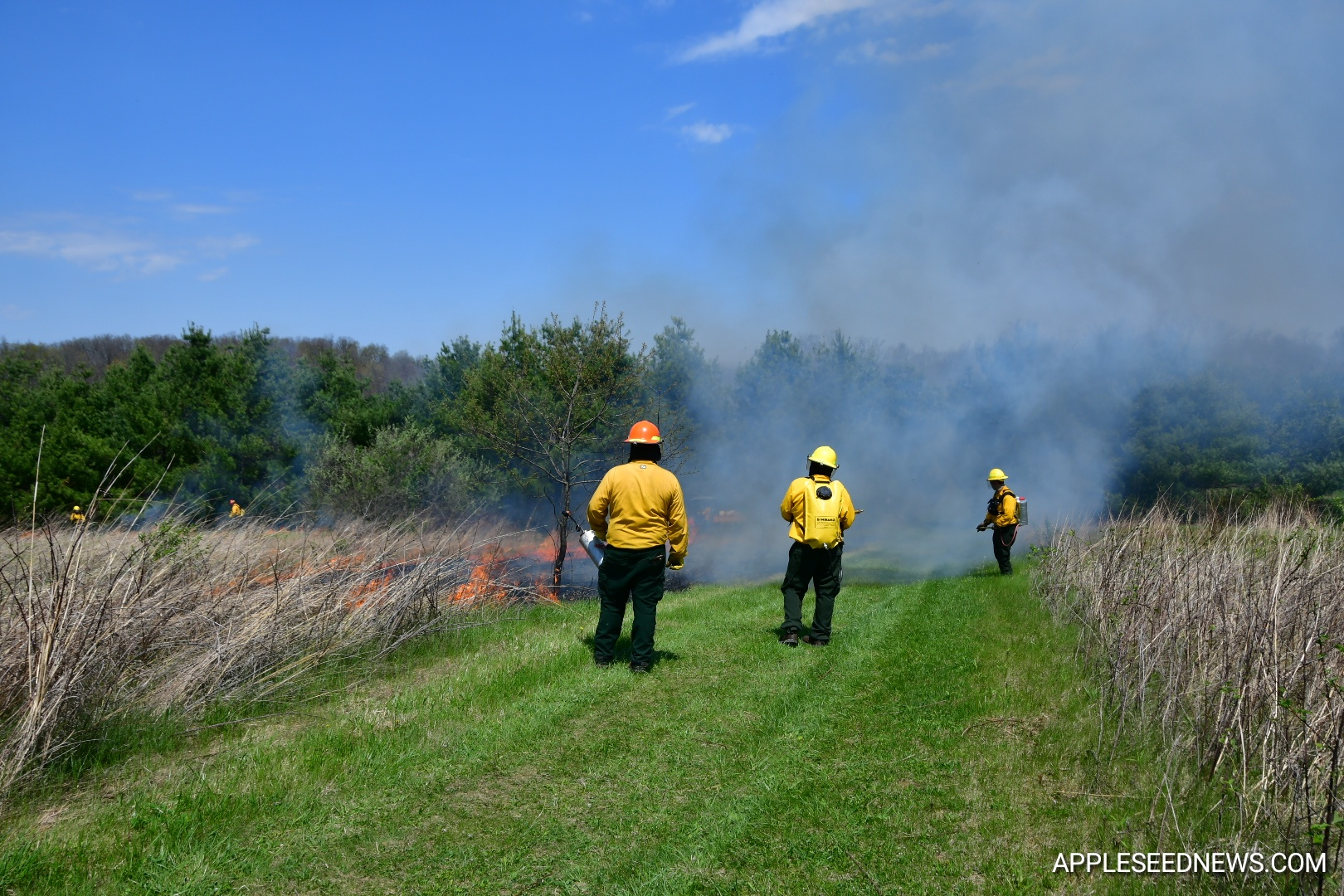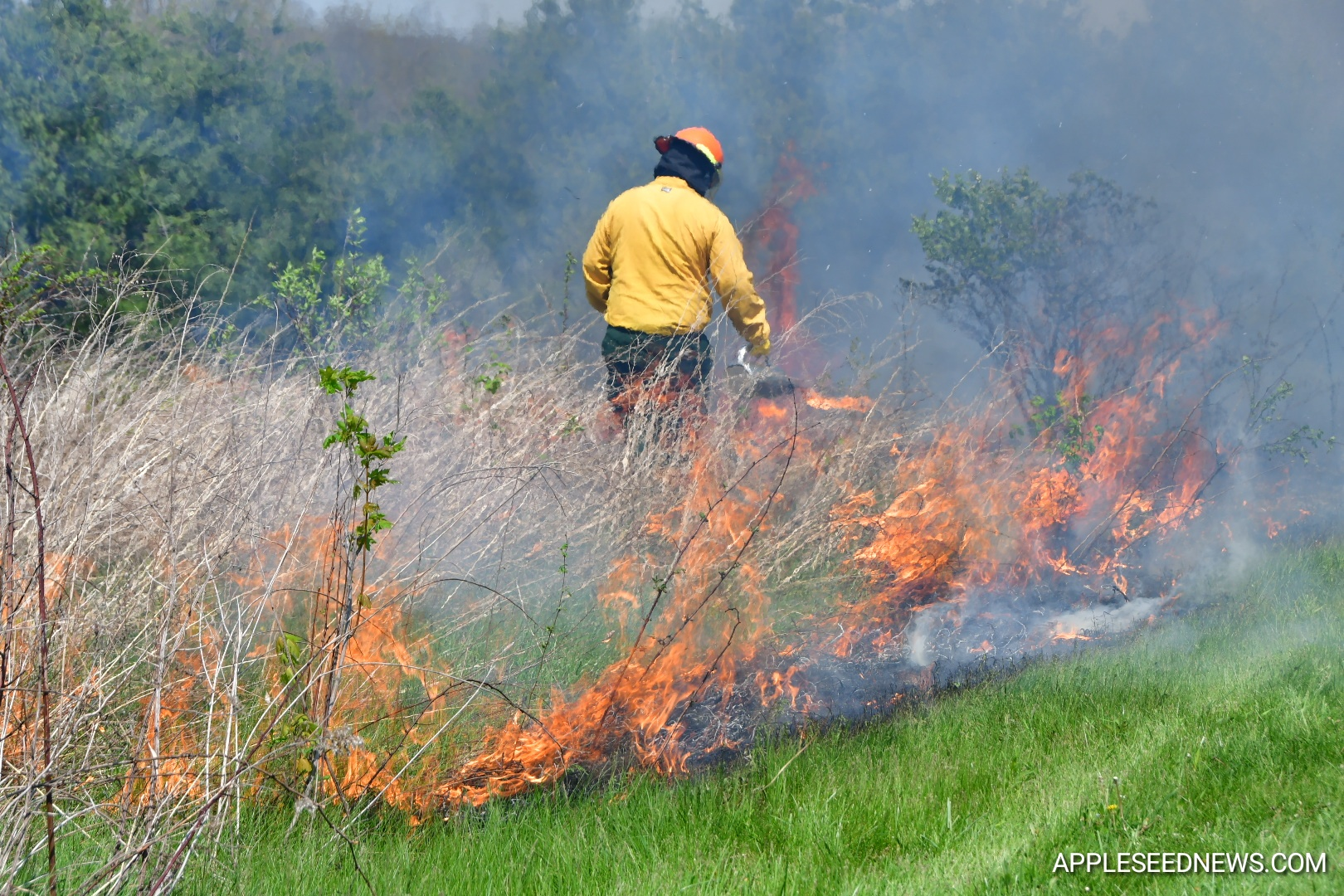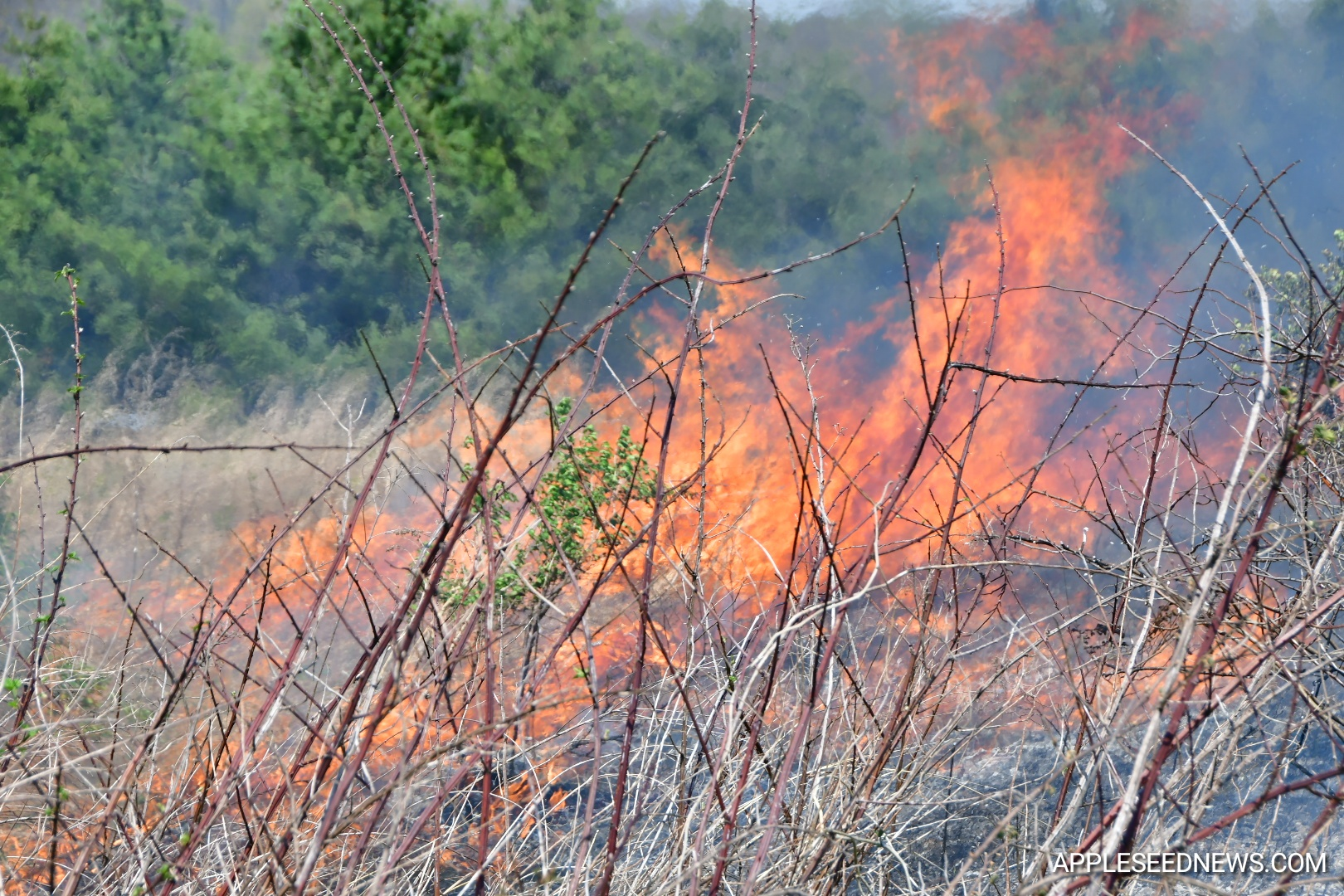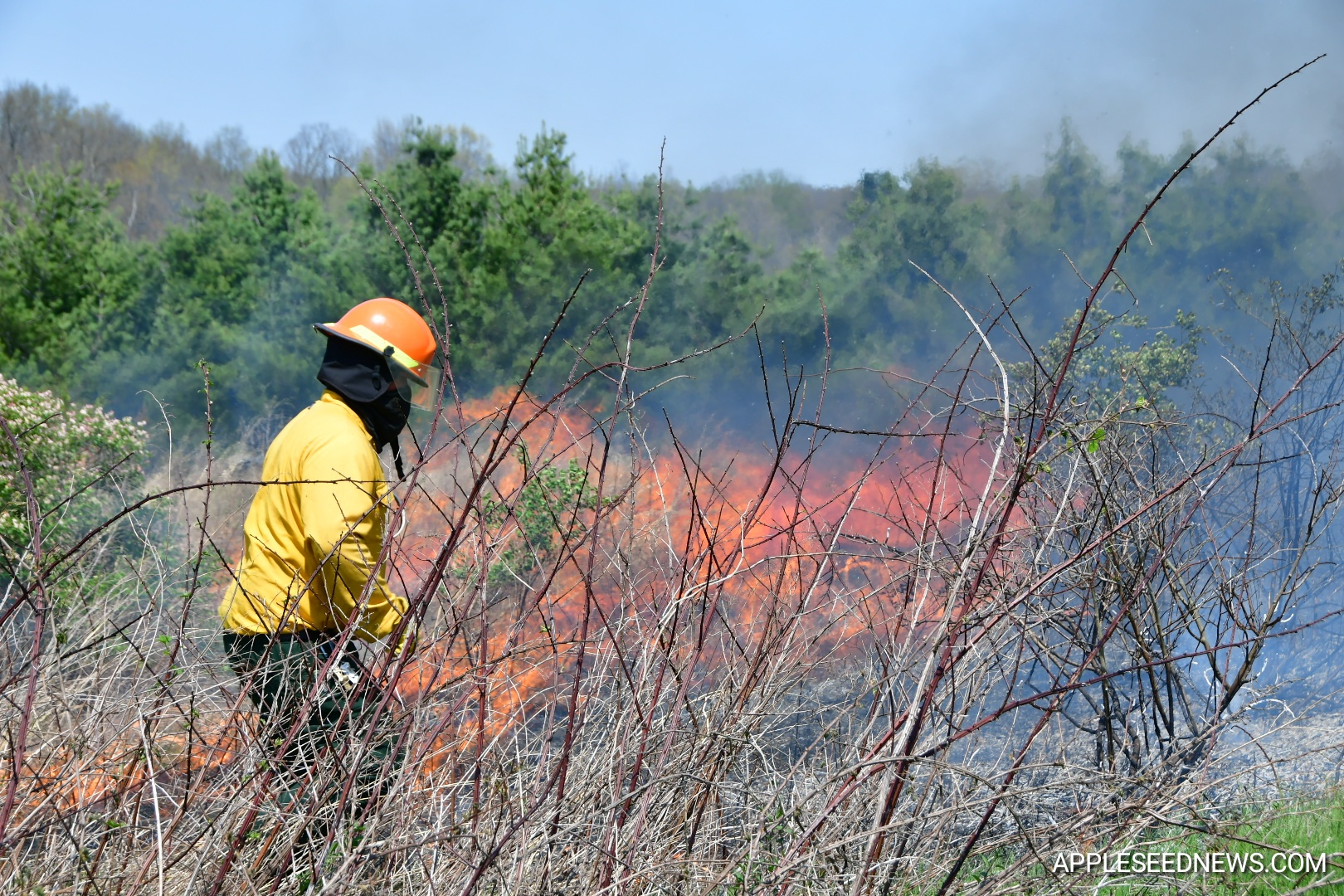

ASHLAND COUNTY — A conservation burn carried out with the Ashland, Crawford, Knox, and Richland county park districts working together with the Ohio Natural Areas and Preserves Association (ONAPA) relied on combined staffing and equipment drawn from those partners, according to interviews recorded with participants.
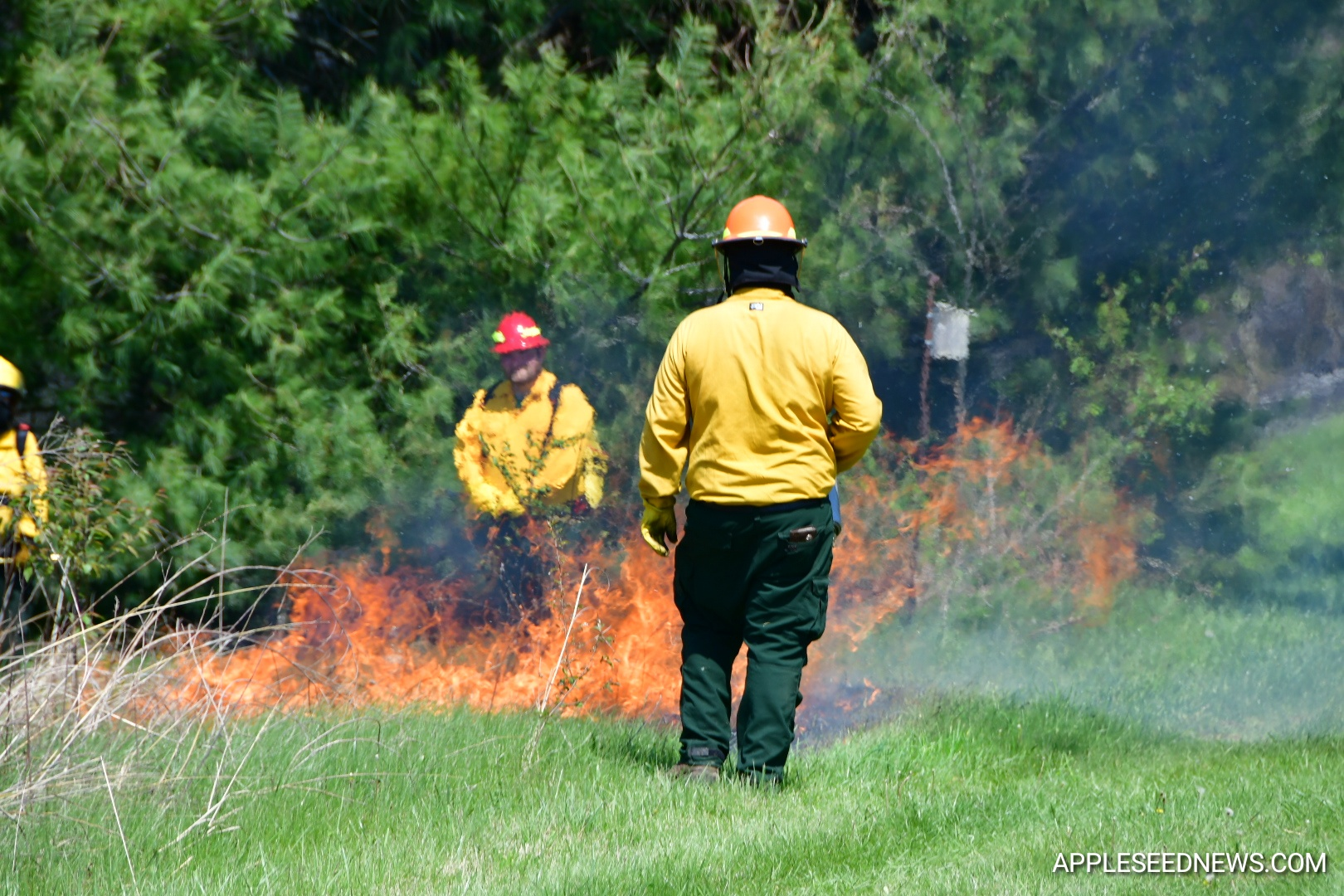
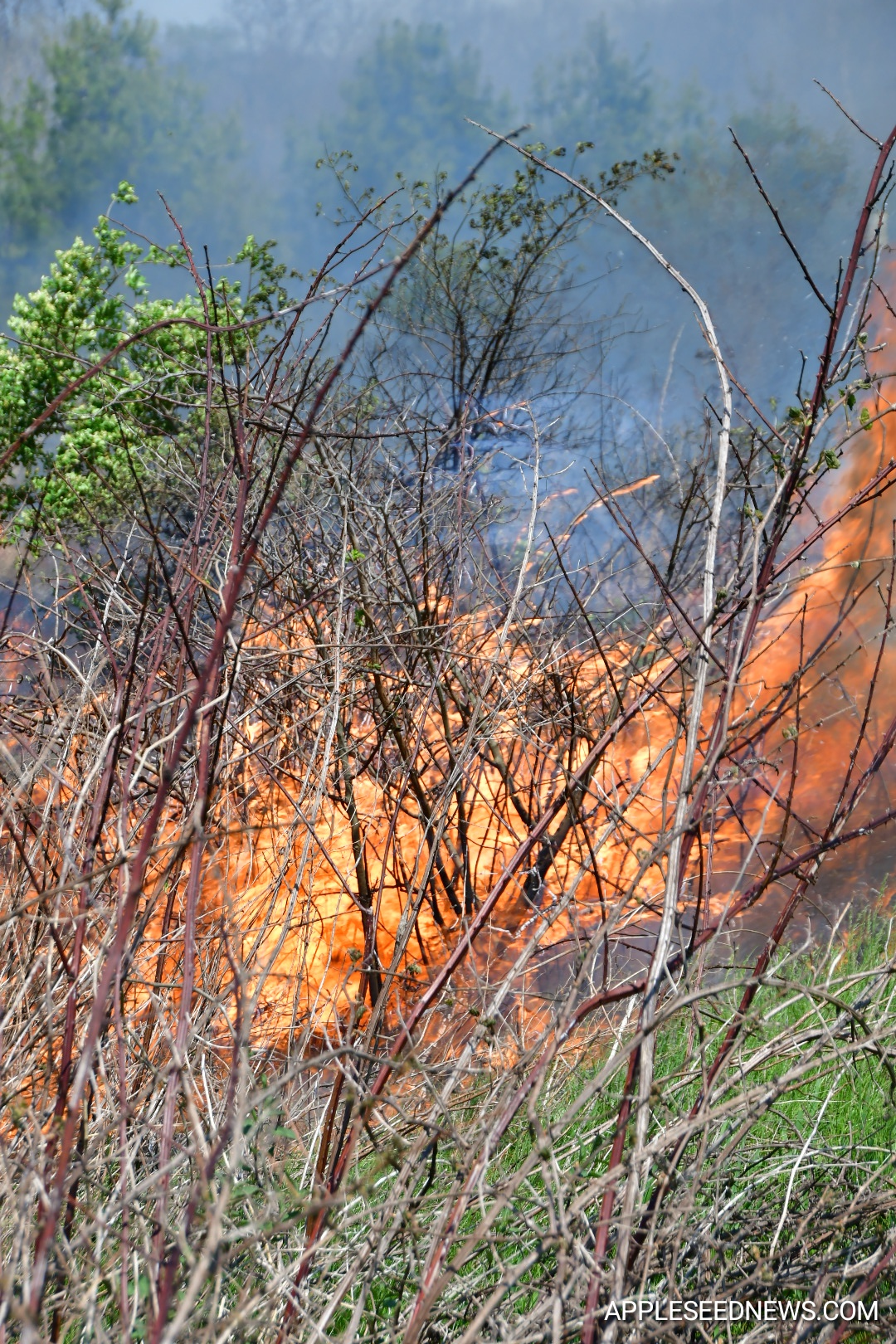
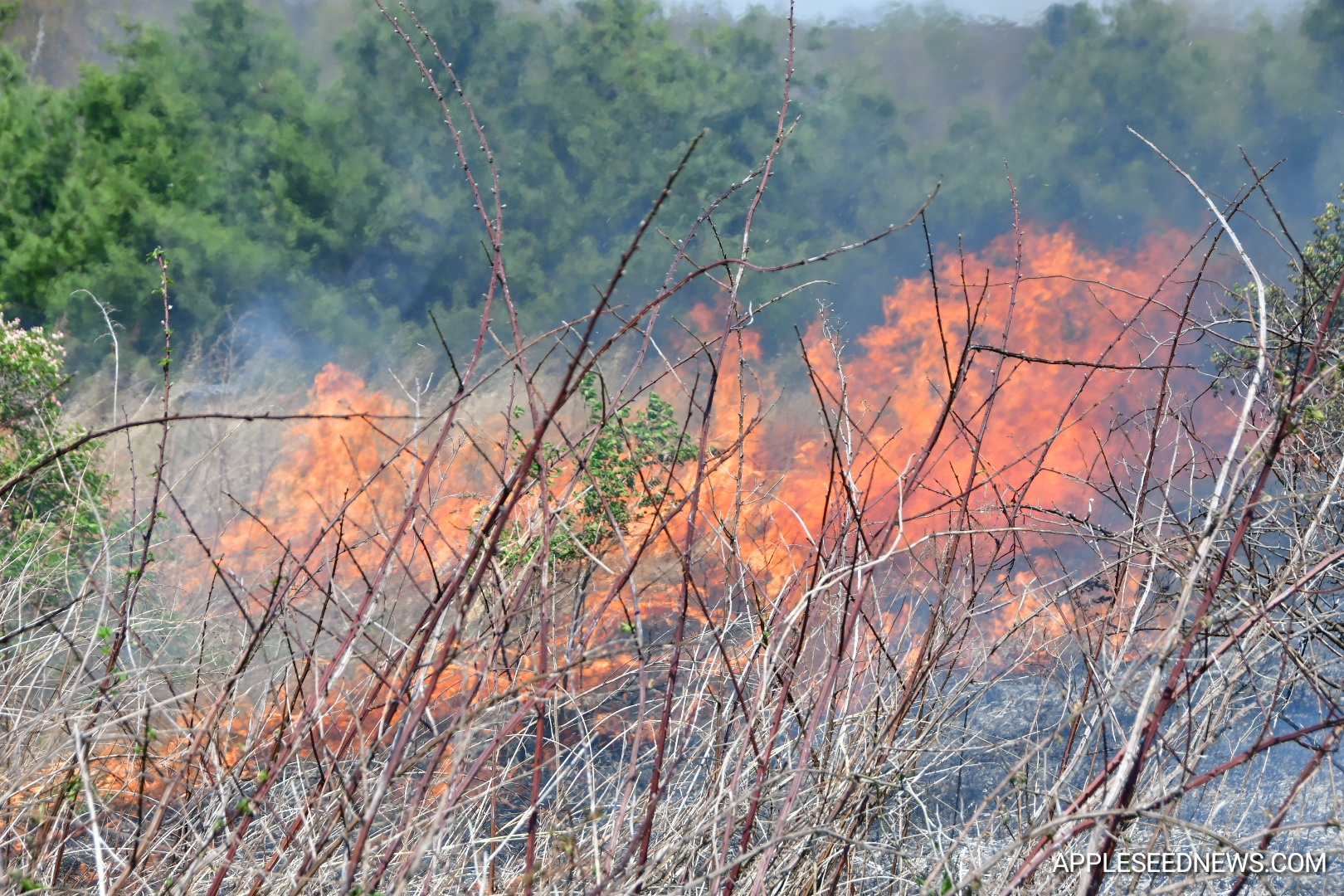
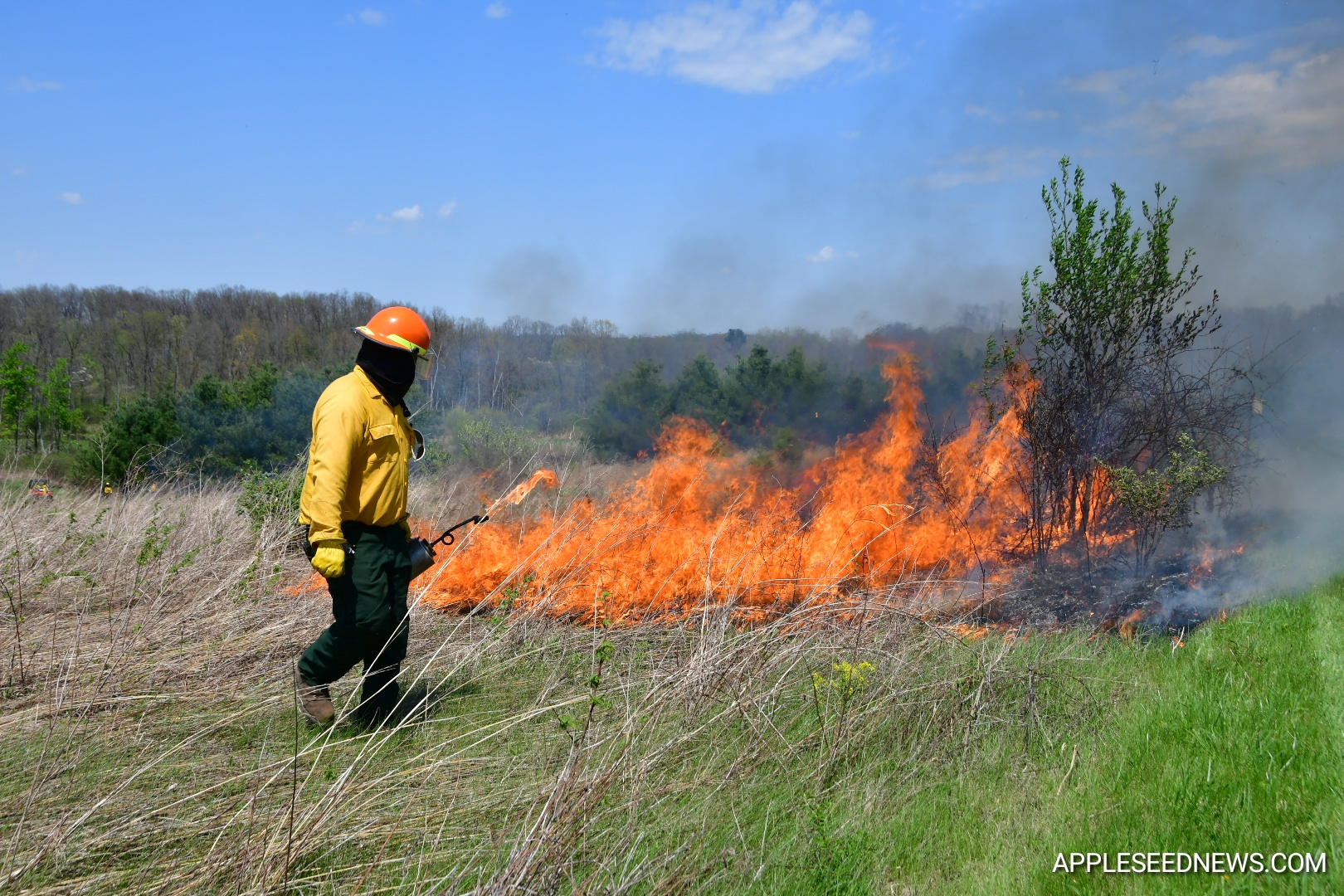
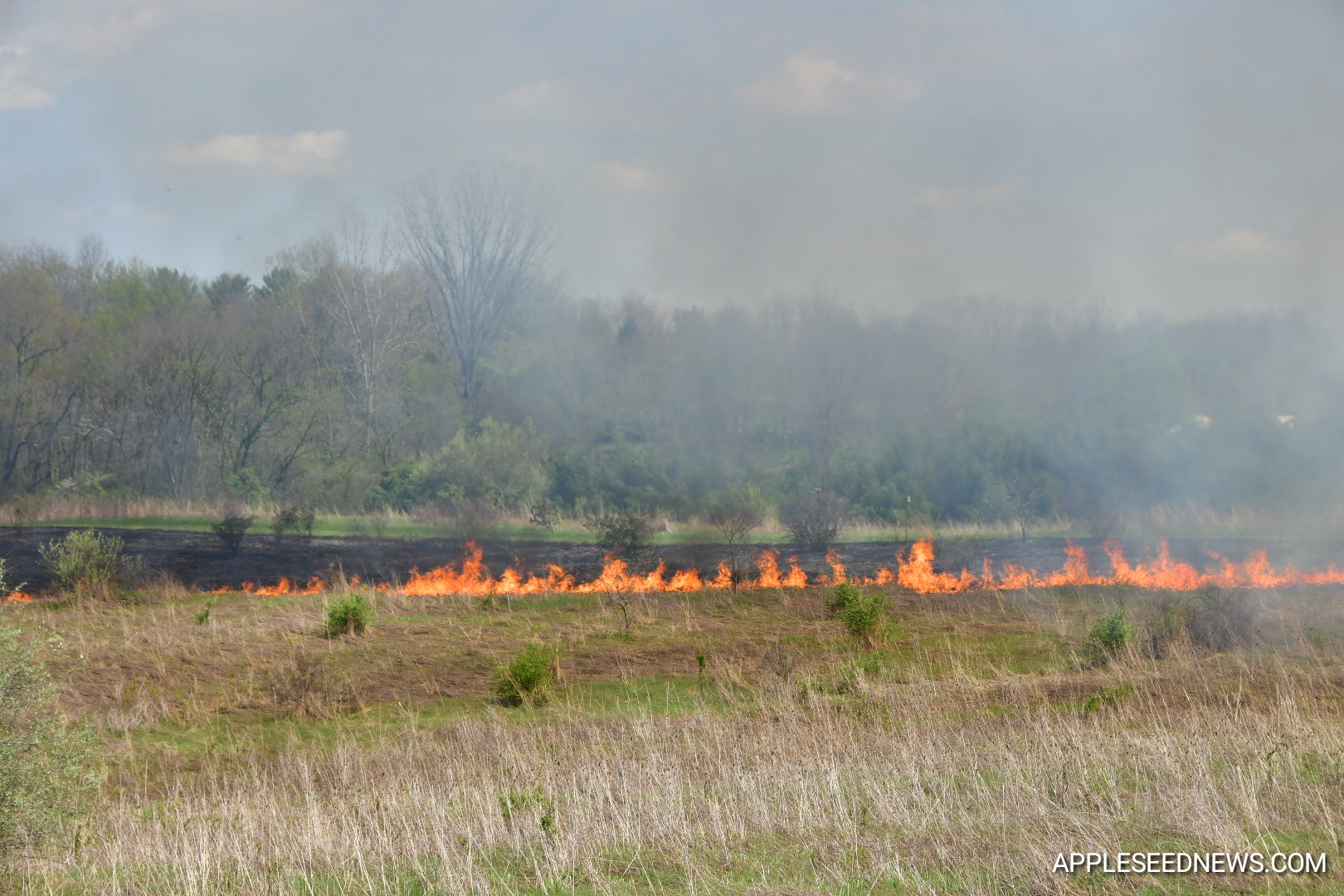
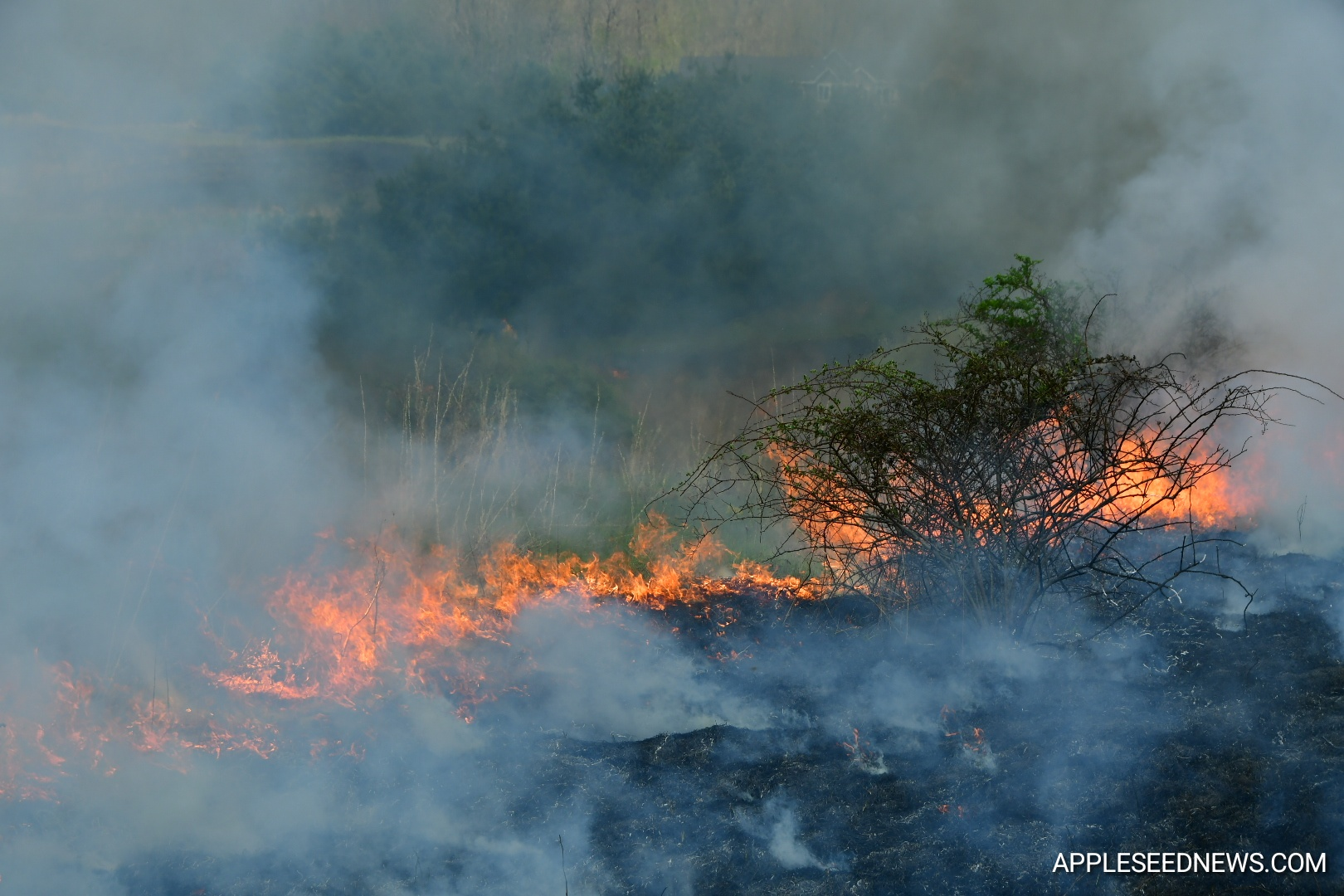
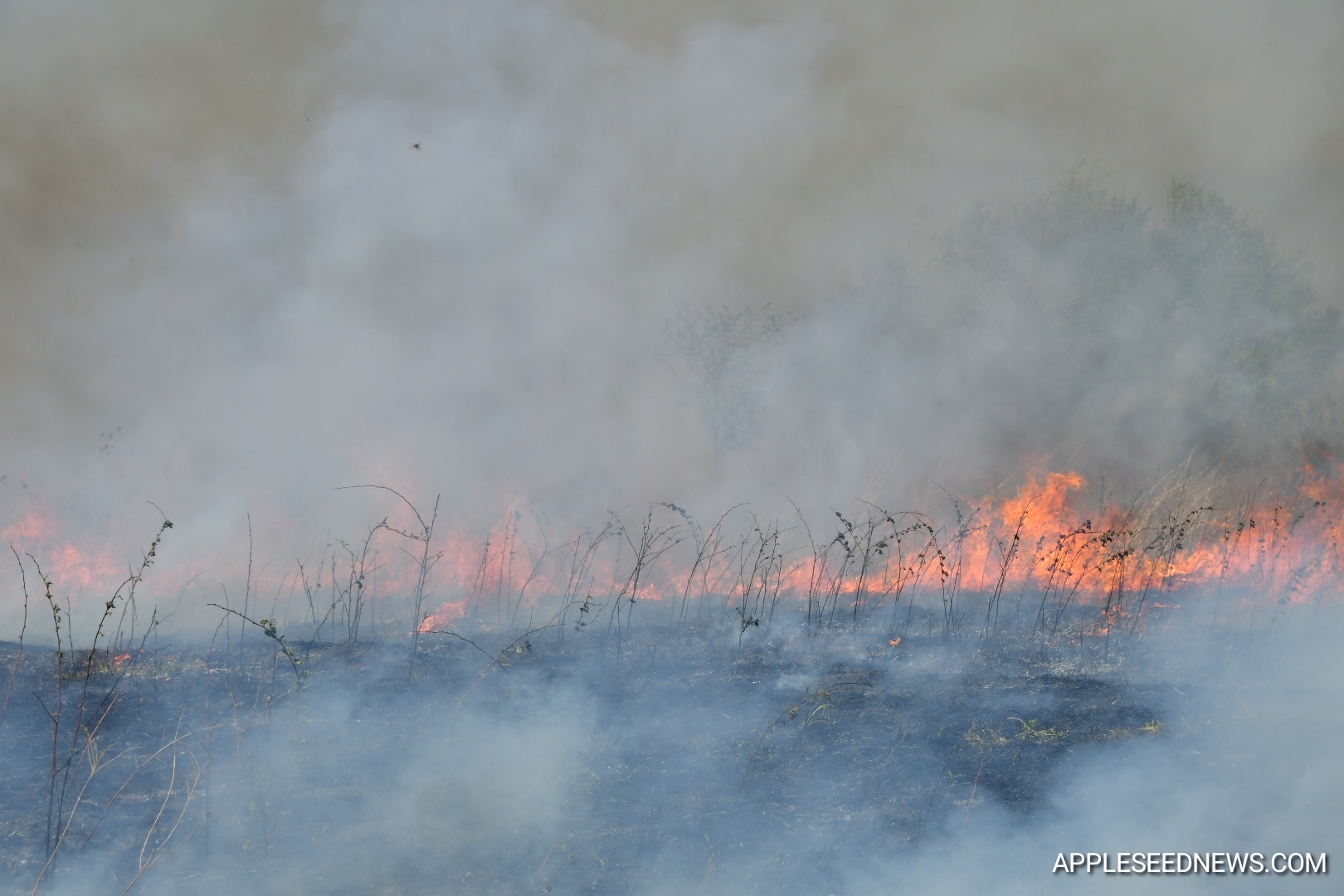
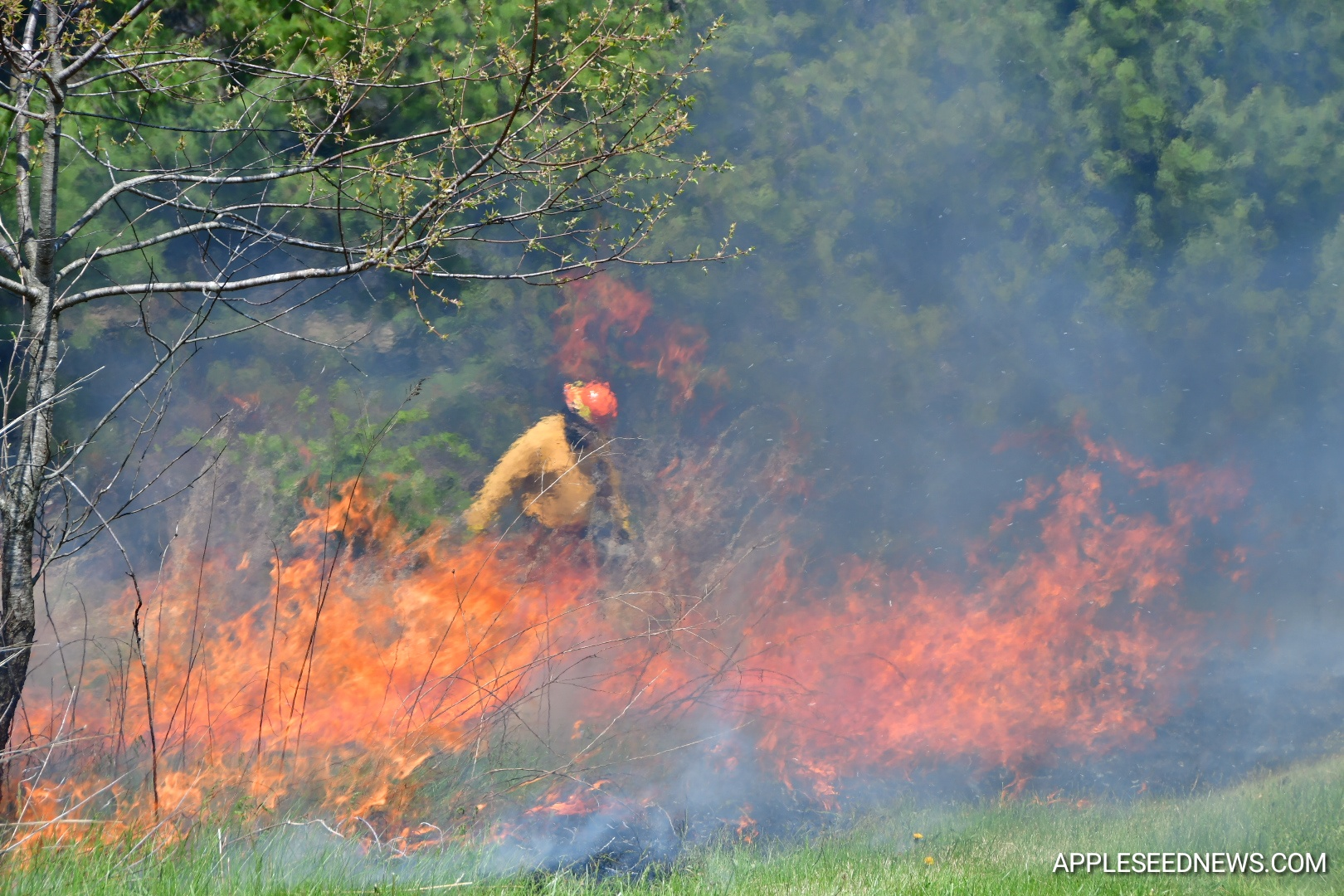
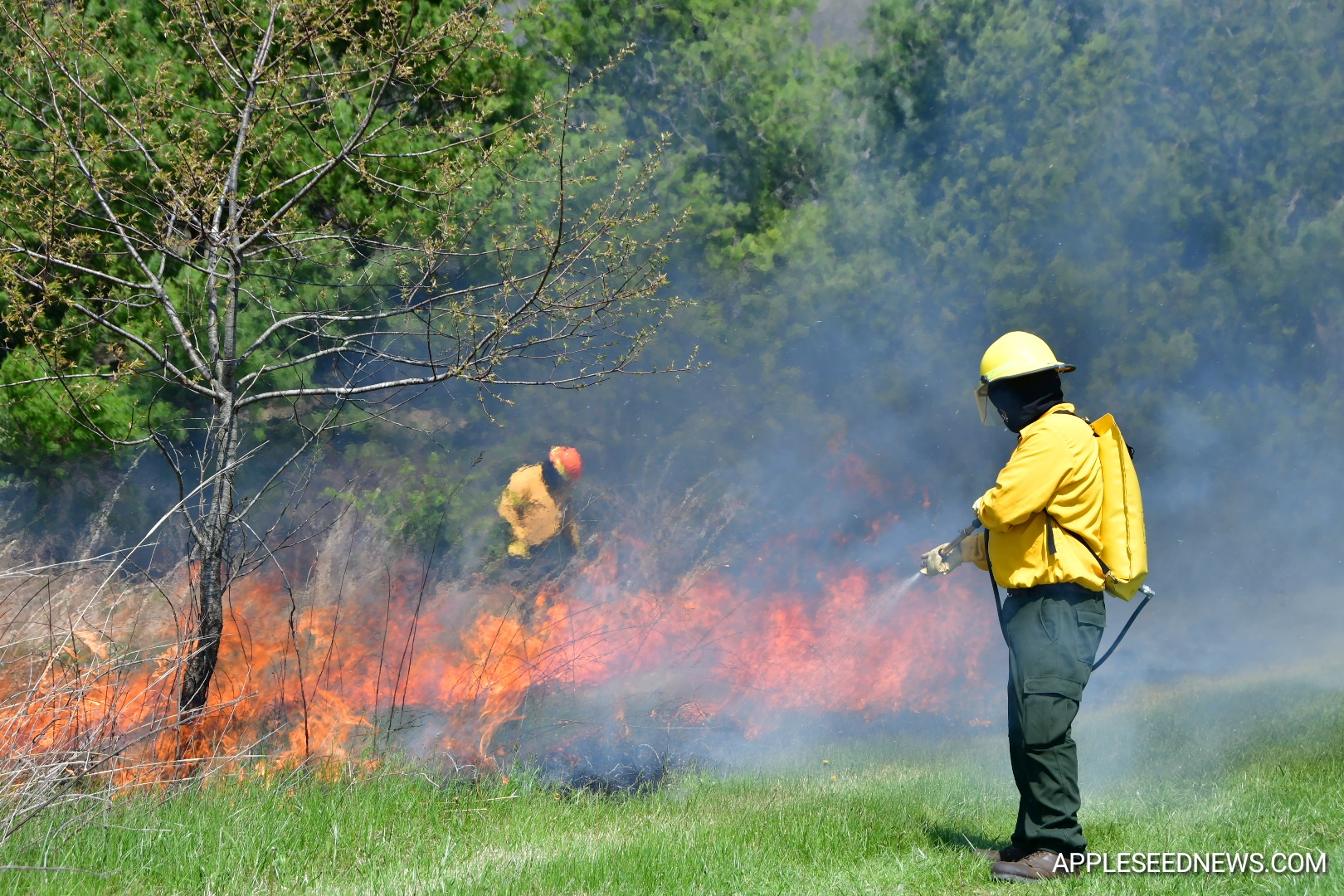
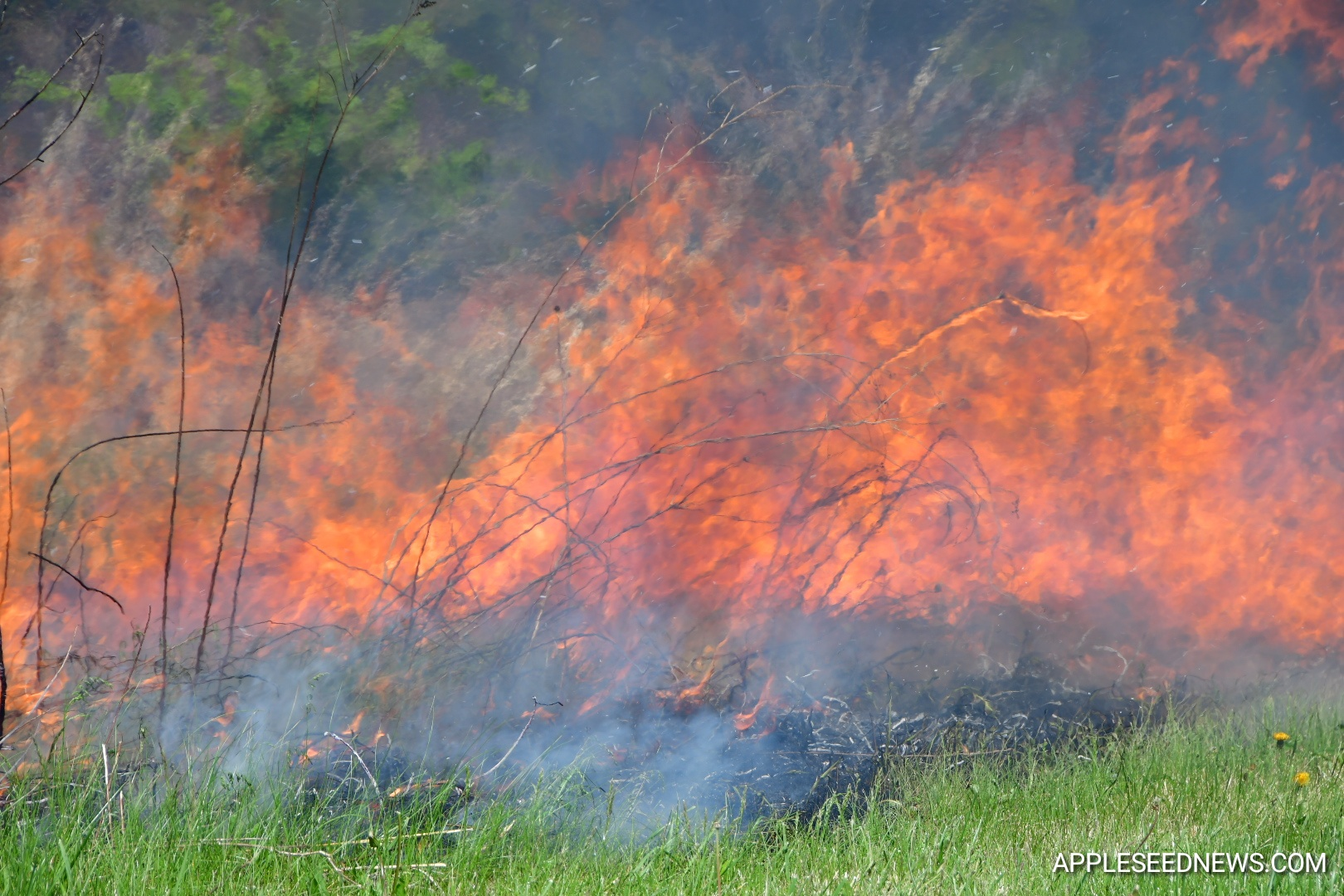
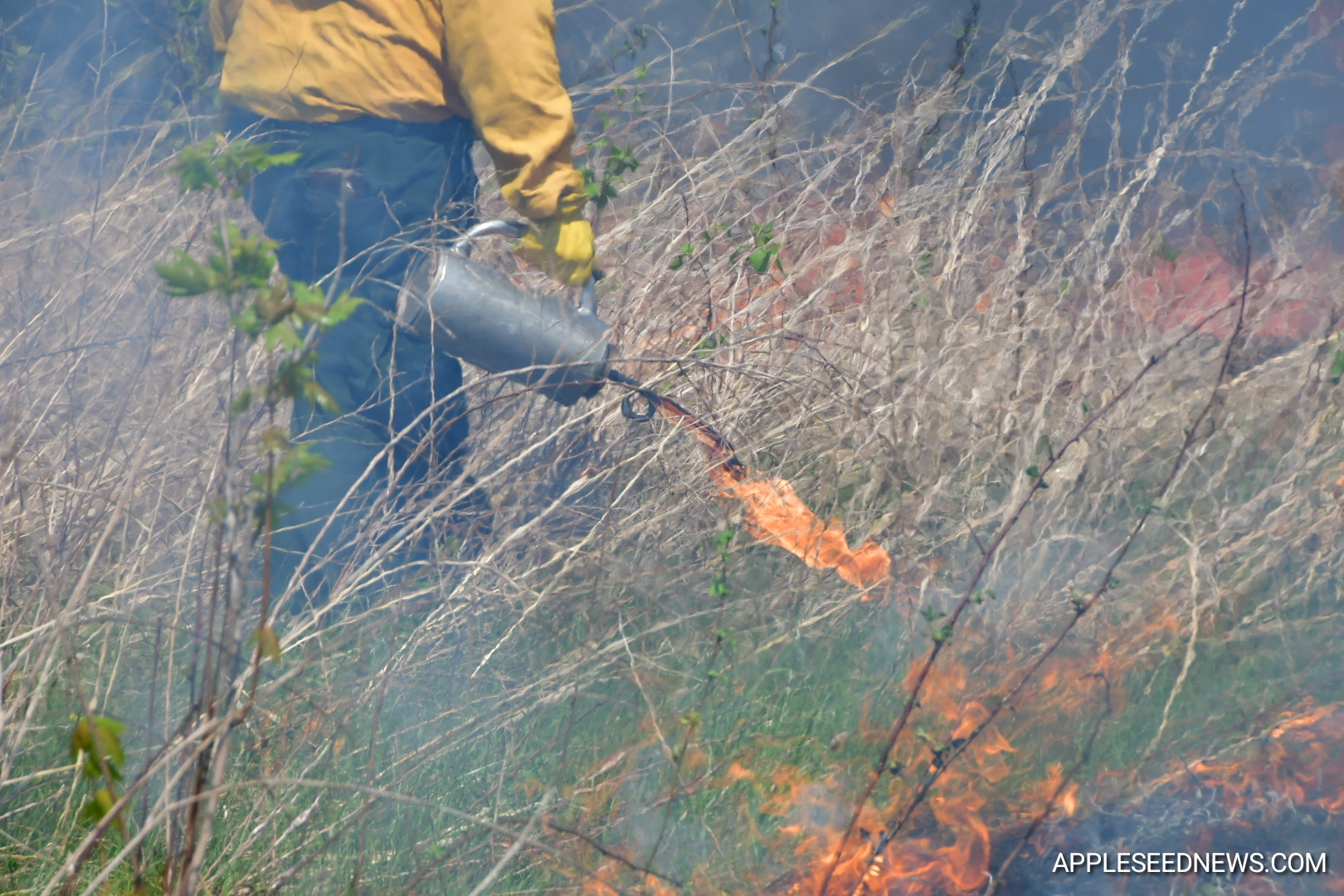
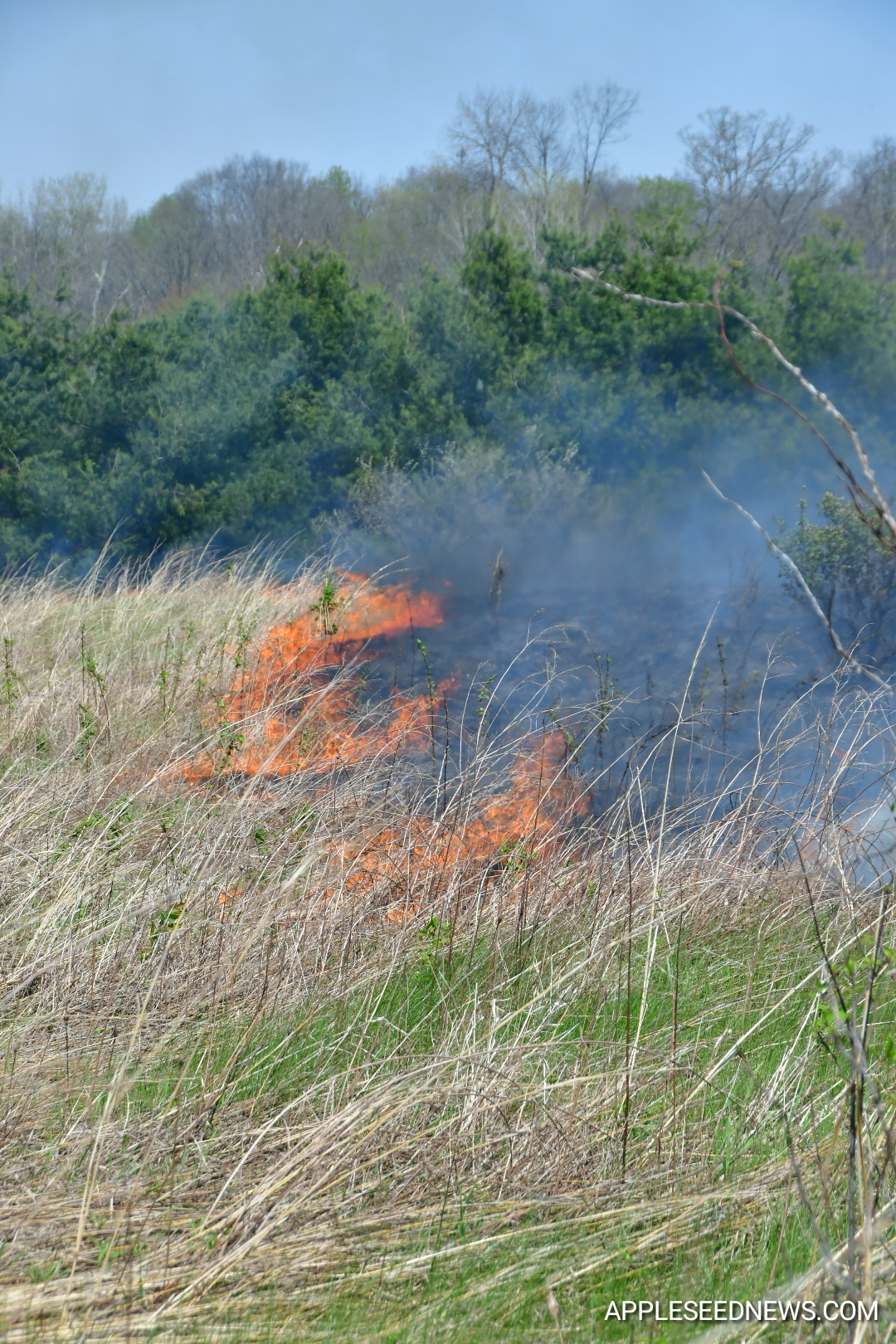
Jennifer Windus, identified in the interview as president of ONAPA and a certified burn manager with prior Ohio Department of Natural Resources service, listed the Ashland, Crawford, Knox, and Richland park districts and ONAPA—including herself and ONAPA Vice President, Guy Denny—as present for that day’s work. She described the technique as prescribed fire planned around weather, fuels, and topography, with crews building and widening protection along a mowed fire break, using backing fire against the wind to expand a blackened line, then flank and head ignitions while personnel coordinated by radio so the burn closed as intended. Windus said the aim includes managing fire-adapted Ohio communities such as prairies, grasslands, and oak woodlands and savannas, and improving wildlife habitat; she noted, for example, that a turkey flew from a second burn unit during the operation and that grassland birds need open grasslands. She also said managers avoid burning in summer in order to reduce impacts on nesting birds, and that spring and fall are typical windows, with timing varying by year and location across the state.
Bob DeSanto, speaking in a separate on-site interview, said the burn went well, that an area where grass had been planted had filled in with undesirable non-native plants, and that the fire should help desirable grasses come back on the banks and benefit wildlife. He said park employees and volunteers from Knox County and other areas assisted, and he thanked those who helped. He added that the same spot might not need to be burned again the next year, while other parks could be.
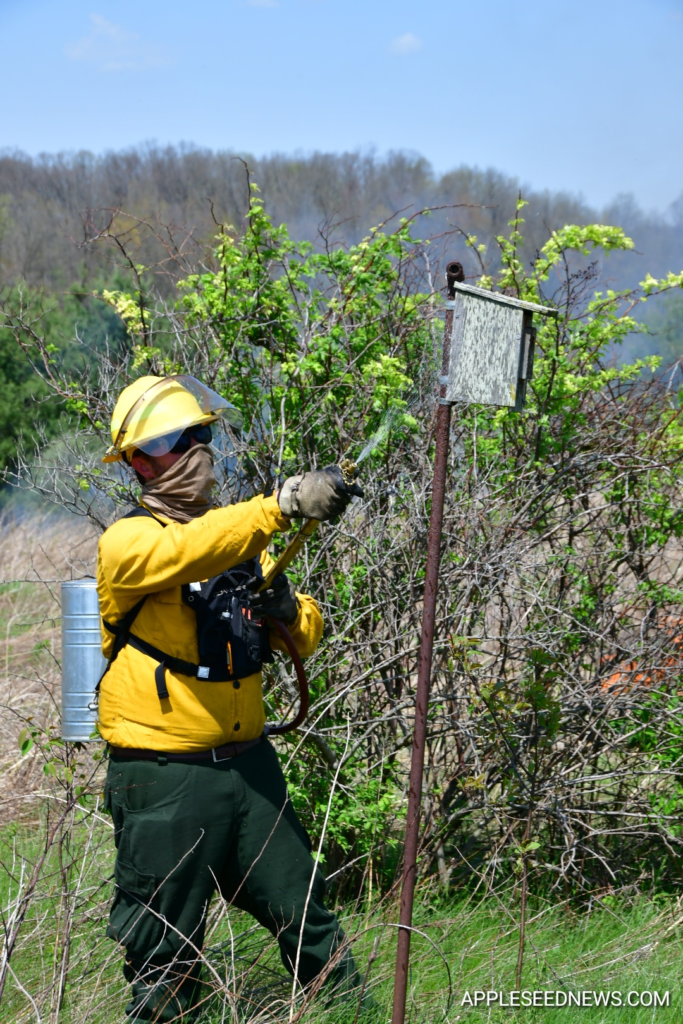
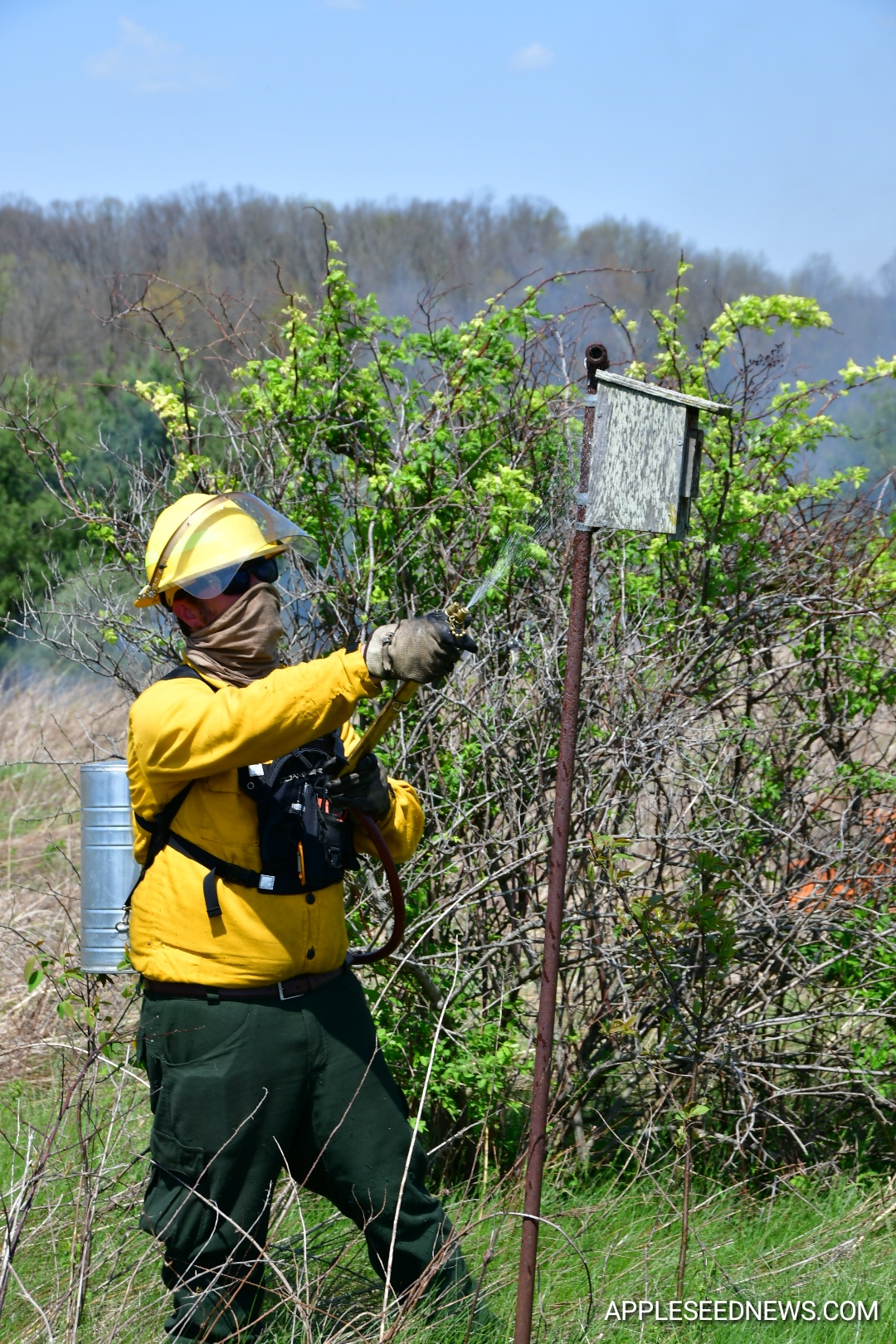
Most wildlife tends to leave as personnel enter the area ahead of the burn; animals in underground burrows are safe as they remain in their burrows as the fire line passes above them. Fire personnel were seen spraying water on bird boxes with water before flames reached them, with crews positioned around the perimeter to keep the fire inside the burn unit. Windus said green-up can occur within weeks after a burn and that a good-quality burn can top-kill woody invasive growth—she cited autumn olive and other weedy trees in one unit—improving habitat for species such as birds and turkeys; she also mentioned American woodcock observed that morning.